Reframing cancer research in Africa
CIVIS meets The African Cancer Immunology and Infection Initiative (TACII)
Organised by the CIVIS Hub Health Council
Moderated by Professor Faith Osier, Imperial College London
TACII is a newly established pan-African Cancer and Infection Initiative dedicated to advancing research at the intersection of cancer, infection, immunology and microbiome. CIVIS is a European University alliance with six African member institutions and a strong profile in Health education and research. The webinar introduces TACII to the CIVIS Health community and provides room for discussing the initiative’s approach as well as related developments in cancer research and training at CIVIS universities. The event thus aims at exploring joint research interests and collaboration potentials between TACII and CIVIS members.
Webinar Plan
-
9:00 – 9:10
Introduction
Luciano Saso (Co-Chair of the CIVIS Hub Health Council, Sapienza University of Rome)
Christian Möllmann (CIVIS Global Partnerships Officer) - 9:10 – 9:40
Reframing cancer research in Africa through immunology, infection, and the microbiome - The African Cancer Immunology and Infection Initiative (TACII)
Abdallah Badou (Université Hassan II de Casablanca)
Barbara Seliger (Brandenburg Medical School Theodor Fontane / University of Halle)
Faith Osier (Imperial College London) - 9:40 – 9:55
Q&A - 9:55-10:25
Inputs from the CIVIS Health community:
Development of an Exosome-Based Colon-Targeted Drug Delivery System for Infection-Induced Colorectal Cancer
Yahya Choonara (University of the Witwatersrand, Johannesburg)
Adapted anticancer strategies for LMIC though metronomic chemotherapies and drug repurposing
Nicolas André (Aix-Marseille Université)
The ‘Institut Cancer et Immunologie’ at Aix-Marseille University: Education and research activities within CIVIS and beyond
Cristina Ghirelli (Aix-Marseille Université) - 10:25-10:40
Q&A - 10:40-10:55
Plenary discussion: Exploring joint research interests and collaboration potentials - 10:55-11:00
Wrap-up and closing remarks
Faith Osier, Luciano Saso, Christian Möllmann
Abstracts
The African Cancer Immunology and Infection Initiative (TACII)
The burden of cancer in Africa is an increasing public health challenge, with incidence and mortality expected to rise sharply reaching over two million new cases and one million deaths per year by 2040. The most common cancers include those of the breast, cervix, prostate, colorectum and liver. Diagnosis is often delayed due to the limited infrastructure for screening, restricted access to pathology services and high healthcare costs, resulting in approximately 80% of patients presenting with late-stage disease. At the same time, Africa accounts for a disproportionate burden of infectious disease with profound consequences on societal wellbeing and economic development.
The cancer landscape in Africa is unique for a number of reasons. First, a substantial proportion of cancers are linked to viral infections like Human Papilloma Virus, Hepatitis B and C, Epstein Barr Virus and HIV that are more prevalent in the continent than elsewhere. In parallel, lifestyle-related cancers become more common. Second, widespread exposure to bacterial, parasitic and other co-infections results in chronic immune activation, dysregulation, and exhaustion potentially influencing the tumors and their evolution within the tumor microenvironment, thereby affecting treatment responses. Additional factors include the high degree of human genetic diversity in Africa leading to variability in immune responses, and the uniqueness of the African microbiome.
TACII is a newly established pan-African Cancer and Infection Initiative dedicated to advancing research at the intersection of cancer, infection, immunology and microbiome. It brings together representatives from the five World Health Organization regions of the continent and is led by African scientists in collaboration with international partners. We aim to build multi-disciplinary, sustainable and equitable research frameworks for cancer and infection immunology research in Africa, strengthen scientific capacity and align with national, regional and continental initiatives. Ultimately, TACII aims to translate research findings into much-needed, affordable and accessible treatment strategies across Africa.
TACII Consortium Members
Barbara Seliger1,*, Doudou G. M. Niang 2, Ghita Zaz3, Tomabu Adjobimey4, Asma Gati5, Babacar Mbengue2, Moustapha Mbow2, Lucy Ochola6, Sayeh Ezzikouri7, David Jarvis8, Denise P. M. Mboumba9, Marielle B. Akotet 9, Clive M. Gray10, Mustapha Lkhider11,13, Faith Osier12,*, and Abdallah Badou11,13,*.
- Halle University, Germany
- Immunology Unit, Cheikh Anta Diop University, Senegal
- Delta Lab, ENSAM of Casablanca, Hassan II University of Casablanca, Morocco
- University of Abomey-Calavi, Benin
- Laboratory of Genetics Immunology and Human Pathology, Faculty of Sciences of Tunis, University of Tunis EL Manar, Tunis, Tunisia
- Kenya Institute of Primate Research, Nairobi, Kenya
- Virology Unit, Institut Pasteur du Maroc, Casablanca, Morocco
- National University of Lesotho, Lesotho
- Université des Sciences de la Santé, Libreville, Gabon
- Biomedical Research Institute and Division of Immunology, Stellenbosch University, South Africa
- Immunogenetics and human pathology laboratory, Faculty of medicine and pharmacy, Hassan II University of Casablanca, Morocco
- Department of Life Sciences, Imperial College London, UK
- City of innovation and technology transfer, Hassan II University of Casablanca, Morocco
Cancer, Infection, Immunology and Microbiome topics of interest
- Tumour microenvironments
- Microbial pathogens and cancer: viral, parasitic, bacterial, fungal
- Immunotherapy
- Artificial Intelligence: imaging, disease detection, telemedicine
- Biomarkers
- Translational research
- Immunogenetics
- Breast, prostate, cervical, liver cancers and more
- Comorbidities including non-communicable diseases
- Links to African National Cancer Registries
Conributions from the CIVIS Health Community
Development of an Exosome-Based Colon-Targeted Drug Delivery System for Infection-Induced Colorectal Cancer (Yahya Choonara, Wits)
Colorectal cancer is the third most common malignancy globally, and oncogenesis follows a multistage progression which involves activating tumour development pathways and inhibiting tumour-suppression and DNA-repair pathways. Conventional chemotherapy affects healthy cells along with the tumours because is non-selective, which leads to systemic toxicity. Oral drug delivery to the colon is limited due to metabolism and clearance, and various GIT physiological factors. Exosomes are nanocarriers that transport biological materials and have a lipid bilayer that allows for intracellular delivery. Exosomes are biocompatible and biodegradable, which ensures low to no immune response. An orally administered pH-responsive coating is proposed to ensure exosome stability throughout the GIT. Dual drug incorporation into the biomimetic coated exosomes for oral-to-colon delivery.
Adapted anticancer strategies for LMIC though metronomic chemotherapies and drug repurposing (Nicolas André, AMU)
In Low- and Middle-Income Countries (LMICs), cancer care is often hindered by high costs, limited infrastructures, and significant "financial toxicity". Metronomic chemotherapy (MCT) and drug repurposing (DR) have emerged as highly cost-effective strategies to address these inequities. Unlike conventional chemotherapy which uses the maximum tolerated dose, MCT involves the frequent administration of low-dose, minimally toxic agents that primarily target tumour angiogenesis and immune modulation. When combined with repurposed, non-cancer drugs like celecoxib, propranolol, or metformin, MCT can offers good survival outcomes while maintaining significantly improved quality of life. These oral regimens reduce the need for specialized hospital infrastructure and frequent inpatient visits, making them well-suited for resource-constrained settings. Current research focuses on MCT as a maintenance to prevent relapse or as palliative care. It contributes to fulfilling unmet needs and bridges gaps in treatment access. Despite challenges in patient compliance and the need for more Level A clinical evidence, this paradigm shift offers a scalable model for global health. Ultimately, MCT and DR provide a sustainable path toward democratizing cancer therapy in the most underserved regions and also pave the way for contextualized clinical research.
The ‘Institut Cancer et Immunologie’ at Aix-Marseille University: Education and research activities in CIVIS and beyond (Cristina Ghirelli, AMU)
The Institut Cancer et Immunologie (ICI) brings together research teams, hospitals and industrial companies working in the field of cancer and immunology to implement an international training and research program aimed at clinical applications. Since its creation in 2019, ICI has pioneered and developed several projects within the CIVIS Alliance, from Blended Intensive Programmes (BIPs) to a Joint PhD Program. The momentum generated led to the expansion of our European network, the inclusion of African partners through collaborations on the topic of inflammatory breast cancer (IBC), in particular, needs to be explored. The Institut Paoli-Calmettes, hospital in the ICI consortium, has a long-time and world class expertise in the clinical and therapeutic management of IBC, including immunotherapy, as well as its molecular characterization. Most notably, IBC, which has been shown to be particularly frequent in North Africa, was the basis of a tight collaboration with the Salah Azaiez Institute, and the Faculty of Medicine of Tunis/University of Tunis El Manar, resulting in several studies focused on clinical and molecular features of IBC emerging in this geographic area. On a more general perspective, breast cancer is a major public health issue in Africa, due to several hurdles including some biologic specificities of disease as well as lack or limited access to prevention, screening, and conventional or novel therapeutics. Thus, this initiative may pave the way to global strategies to address and overcome these drawbacks.
Speakers
| Professor Abdallah BADOU, PhD
|
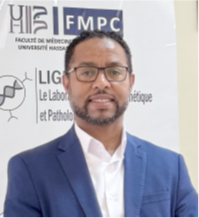
Dr. Badou completed his PhD in Immunology in 1998 at Paul Sabatier University (Toulouse, France). Afterwards, he joined the Immunobiology department at Yale University School of Medicine (Connecticut, USA) from 1999 to 2007, as a post-doc then as an associate research scientist. In 2007, He joined Cadi Ayad University in Morocco as an assistant then qualified professor. Since 2014, Dr. Badou has been affiliated to the Faculty of Medicine and Pharmacy, where he was promoted to full professor in 2018. From January 2023 to February 2024, he was affiliated to Mohammed VI Center for Research and Innovation as Scientific Director then as General Director. His research topics are related to the study of the tumor microenvironment mainly in breast cancer and gliomas. Dr. Badou is serving in the editorial board of several international journals.
| Professor Barbara SELIGER
|

Prof. Seliger has currently more than 370 publications, has won several national and international awards and is a reviewer for national and international research projects, publications and for the Science Council as well as an Associate Editor of the Journal of Immunotherapy in Cancer (JITC), OncoImmunology and Journal of Translational Medicine (JTM). She cooperates next to many others with world-known institutions, such as e.g., the Hadassah University (Jerusalem), the Weizman Institute (Rehovot), Inserm (Paris), O'Cornell University (New York), Fox Chase (Philadelphia), Cedars Sinai Medical School (Los Angeles), Harvard University (Boston), the Karolinska Institute (Stockholm) and the Champaulimaud.Fondation Lissabon).
| Professor Faith OSIER
|

Professor Osier‘s core expertise is in malaria where she believes we can “Make Malaria History” through vaccination. Her research covers basic science to better understand immune mechanisms, product development and vaccine manufacturing in Africa. She previously worked as the Executive Director of IAVIs Human Immunology Laboratory, translating scientific discoveries into global health impact. She also led scientific teams in Kenya and Germany that focused on creating highly effective malaria vaccines through vaccine candidate discovery, identifying immune correlates of protection, and unravelling immune mechanisms. She is Past President of the International Union of Immunological Societies (> 60,000 members globally) – the first African and only second woman in this role. She has won multiple prestigious prizes including the Royal Society Pfizer, the Sofja Kovalevskaja and the UKRIMRC/DFID African Research Leader Awards. She was honored with the prestigious British Society of Immunology Honorary Lifetime Membership Award in 2022. She is a TED Fellow, EMBO Member, a Fellow of the Academy of Medical Sciences, UK (FMedSci), the African Academy of Sciences (FAAS), and The World Academy of Sciences (FTWAS). She serves on Boards and Expert Committees at the WHO, Wellcome & UKRI, and has a global footprint as a keynote & motivational speaker.
|
Professor Yahya CHOONARA
|
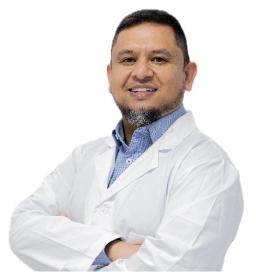
Professor Yahya Choonara is internationally recognised as an outstanding global Pharmaceutical Scientist, working for 20 years at the forefront of producing life-saving medicines. He is a South African DSI/NRF Research Chair and co-founded the Wits Advanced Drug Delivery Platform (WADDP), a flagship research unit, and Africa’s only fully integrated platform in its domain focused on designing Nanomedicine, Advanced Drug Delivery Systems, Functional Biomaterials and Regenerative Medicines. He has published >451 papers in the field (H-index = 70), mentored/trained >131 graduates and is an inventor on 38 internationally granted patents in the pharmaceutical sciences.
|
Professor Nicolas ANDRÉ
|
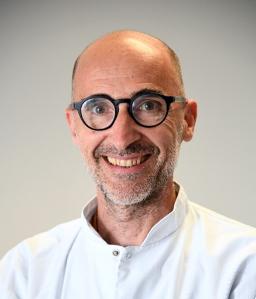
Professor Nicolas André is an accomplished physician-scientist and internationally recognized leader in the field of new treatment strategy in pediatric oncology. His career trajectory reflects a combination of clinical expertise, groundbreaking research, and significant leadership roles within both academic and healthcare institutions.
Professor André's earned a Master's degree in Oncology, Pharmacology & Therapeutics (Summa cum laude) from Aix Marseille University in 1999, followed by a PhD in Medicine and Health Sciences from the same institution in 2002, and an MD in 2003. In 2015, he obtained his HDR (Habilitation to Direct Research) from AMU a significant achievement recognizing his expertise and capacity to lead independent research. His prior experience includes serving as a Senior MD in Pediatric Oncology at AP-HM (2003-2017) and Head of Adult and Children Early Phase Clinical Trials (CLIPP) at AP-HM (2020-2023), providing him with extensive experience in both clinical practice and clinical trial management.
Professor André has authored or co-authored over 200 peer-reviewed publications, contributing significantly to the advancement of pediatric oncology knowledge. He has also presented his research findings at over 250 scientific meetings, including numerous international plenary, keynote, and invited presentations, showcasing his expertise notably about metronomic chemotherapy and leadership within the global scientific community.
Over the past five years, Professor André has secured substantial research funding, totaling millions of euros, as the Principal Investigator (PI) for numerous grants from diverse organizations such as INCa, AstraZeneca, Pfizer, Government of Monaco, Fondation Flavien, and others. His research focuses on innovative treatment strategies for pediatric cancers, metronomic chemotherapy, drug repurposing precision medicine, and translational research, pushing the boundaries of current knowledge and practice. He has also actively mentored and supervised a significant number of MD, PharmD, and PhD students, contributing to the development of the next generation of pediatric oncology researchers and clinicians.
|
Cristina GHIRELLI, PhD
|
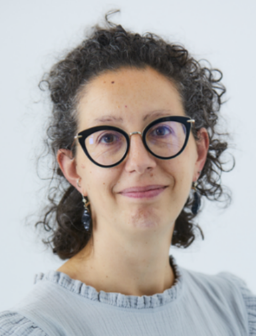
Cristina Ghirelli obtained a PhD in Cancer Biology and Immunology at the Curie Institute in Paris in 2010. She later moved to the Barts Cancer Institute at the Queen Mary University of London as a Post-doctorant to focus on dissecting the role of B-cells in human pancreatic cancer.
Cristina then joined the private industry in 2014 when she was hired as the Immunology Team Leader by RedX Oncology UK, to set up a new immunology group and investigate the role of proprietary RedX Oncology small molecule inhibitors in vitro. Eager to take on a new role, Cristina accepted to join Horizon Discovery in Cambridge UK in 2015, as Immuno-Oncology Team Leader first, and then as the Immuno-Oncology Group Manager. Her group worked on setting up novel CRISPR screenings in primary immune cells. In 2021 Cristina joined ImCheck Therapeutics, now part of the Ipsen Group, as the Research Operations Director managing R&D Operations across a group of 12 technicians/ engineers and 5 scientists.
Since 2024, Cristina is also the Deputy Director of the Socio-Economic steering committee of the Institut Cancer et Immunologie (ICI) of Aix-Marseille University. ICI missions are aligned with the areas of excellence of Aix-Marseille University to support the development of a world-class higher education and research hub capable of addressing scientific and societal challenges.